
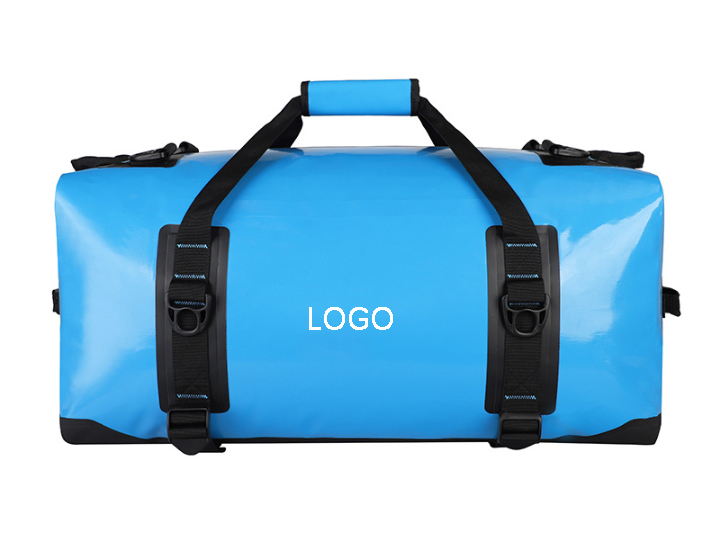
A bolsa impermeable Es altamente impermeable cuando se usa correctamente, pero es importante comprender sus limitaciones de diseño. La mayoría de las bolsas impermeables de calidad están hechas de materiales gruesos e impermeables como PVC o lona, con costuras soldadas o selladas que impiden la penetración del agua. Su principal función impermeable proviene del sistema de cierre enrollable: debe enrollar la parte superior hacia abajo al menos 3–Ciérrala cinco veces y ajústala bien para crear un cierre hermético e impermeable. Si se sella correctamente, una bolsa impermeable puede resistir salpicaduras, lluvia, cruces de ríos e incluso inmersiones temporales en aguas poco profundas durante actividades como senderismo fluvial, trekking, kayak y rafting.
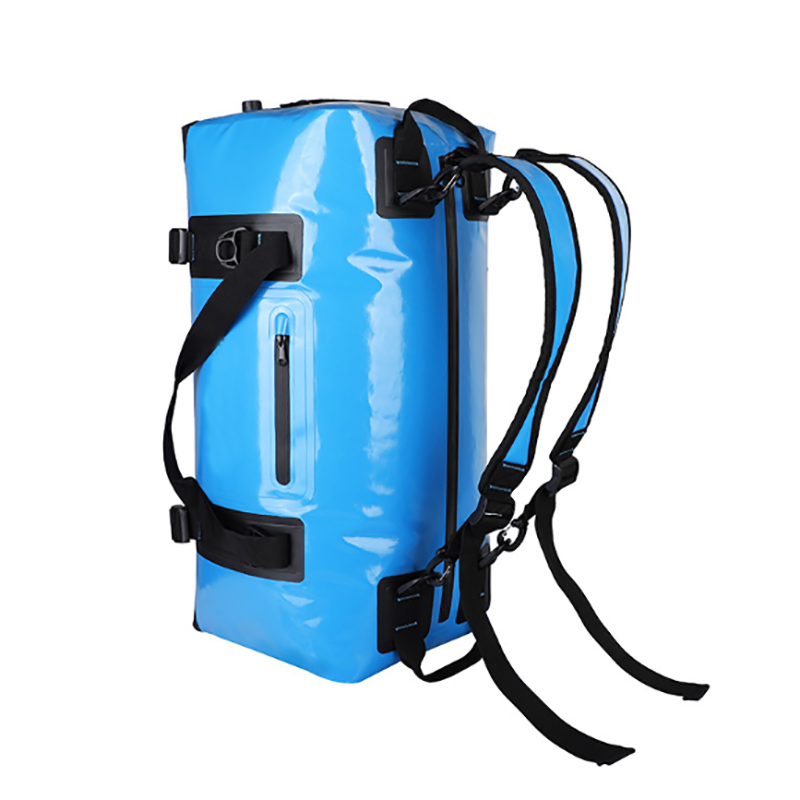
Sin embargo, una bolsa impermeable no es completamente impermeable en todas las condiciones. No está diseñada para bucear ni para usarse en aguas profundas. Si se sumerge por completo durante mucho tiempo, bajo una fuerte presión de agua o a grandes profundidades, es posible que el agua se filtre. Las fugas también suelen producirse por errores del usuario: no enrollar bien la parte superior, dejar huecos, llenar demasiado la bolsa o usar una bolsa con agujeros, costuras desgastadas o hebillas dañadas.
En resumen, una bolsa impermeable es totalmente eficaz para el uso normal de agua en exteriores.—Mantén tu ropa, teléfono y objetos de valor secos en ambientes húmedos. Para uso extremo bajo el agua, son más adecuadas las fundas impermeables especializadas o el equipo de buceo. Para la mayoría de las aventuras al aire libre, como el senderismo fluvial y el trekking, una bolsa impermeable bien utilizada proporciona una protección fiable y casi total contra el agua.

 Red IPv6 compatible