
Necesitas una mochila deportiva que se adapte a tu estilo de vida y a tus objetivos de rendimiento. Mochilas deportivas personalizadas Te permite personalizar el tamaño, los compartimentos y el diseño para que se adapten a tus necesidades. Una buena mochila deportiva ofrece un ajuste cómodo, materiales duraderos y un estilo que destaca. Piensa en tu rutina diaria y tus actividades deportivas al explorar las opciones.
Personalizar tu mochila mejora su funcionalidad y refleja tu identidad única.
Conclusiones clave
Las mochilas deportivas personalizadas te permiten adaptar el tamaño, los compartimentos y el diseño a tus necesidades y estilo únicos.
Busca características esenciales como múltiples compartimentos, correas acolchadas y materiales resistentes a la humedad para mejorar la funcionalidad y la comodidad.
Las opciones de personalización, como los colores y los logotipos, ayudan a expresar tu individualidad y a construir la identidad del equipo.
Elige los materiales con criterio; los tejidos duraderos y resistentes a la intemperie garantizan que tu mochila soporte el uso diario y las condiciones exteriores.
La limpieza regular y el almacenamiento adecuado prolongan la vida útil de tu mochila deportiva personalizada, manteniéndola en óptimas condiciones tanto en apariencia como en rendimiento.
¿Qué son las mochilas deportivas personalizadas?
Las mochilas deportivas personalizadas te permiten diseñar una que se adapte a tu estilo de vida atlético. A diferencia de las opciones estándar, estas mochilas te permiten seleccionar características, materiales y la marca que mejor se ajusten a tus necesidades. Puedes elegir el tamaño adecuado, añadir compartimentos y seleccionar colores que reflejen tu personalidad o el espíritu de tu equipo. De esta forma, tu equipo se mantendrá organizado y tu estilo destacará.
Características principales de las mochilas deportivas
Una mochila deportiva de alta calidad ofrece mucho más que simple almacenamiento. Te beneficias de características que facilitan tu rutina diaria y tus sesiones de entrenamiento. Busca estos elementos esenciales:
Compartimentación: Sus múltiples secciones te ayudan a organizar tu equipo, calzado y objetos personales. Los materiales transpirables y resistentes a la humedad mantienen tus pertenencias frescas.
Correas y asas: Las correas acolchadas brindan comodidad durante los trayectos largos. Algunos diseños incluyen opciones para llevarla en la mano o al hombro.
Características de ventilación: Los paneles especiales reducen la acumulación de olores, lo cual es importante para su uso en gimnasios.
Diseño ligero: Los materiales ultraligeros hacen que tu mochila sea fácil de transportar, incluso cuando está completamente cargada.
La siguiente tabla destaca las diferencias entre las mochilas deportivas personalizadas y las estándar:
Tipo de característica | Mochilas deportivas personalizadas | Mochilas deportivas estándar |
|---|---|---|
Capacidad a medida | Opciones de volumen flexibles (de 15L a 50L) | Opciones de volumen fijo |
Compartimentos funcionales | Compartimentos específicos para zapatos, bolsillos para ropa mojada/seca, fundas para portátiles. | Compartimentos generales |
Selección de materiales | Materiales de alto rendimiento (por ejemplo, poliéster 1680D, TPU) | Materiales básicos |
Diseño ergonómico | Espalda acolchada transpirable, tirantes ajustables. | Diseño estándar |
Marca personalizada | Diversas técnicas de aplicación de logotipos | Opciones de marca limitadas |
¿Por qué personalizar una mochila?
Al personalizar una mochila deportiva, obtienes mucho más que un aspecto único. Mejoras su funcionalidad. Muchos atletas y equipos optan por personalizarla por estas razones:
Obtendrás soluciones de almacenamiento personalizadas que se adaptan a tu equipo específico.
Puedes expresar tu estilo personal con colores y diseños únicos.
La personalización ayuda a construir la identidad del equipo a través de logotipos y marcas.
Una mochila deportiva personalizada potencia tu rendimiento y refleja tu individualidad. Tú adaptas tu equipo a ti, no al revés.
Tipos de mochilas deportivas
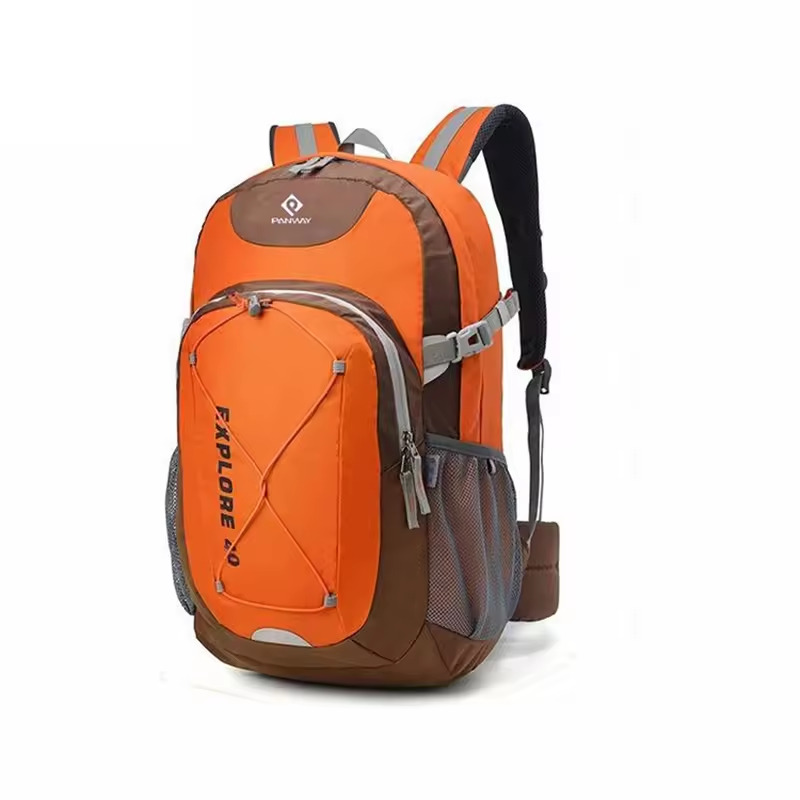
Mochilas para uso diario vs. mochilas específicas para deportes
Encontrarás una amplia gama de mochilas diseñadas para el deporte y el uso diario. Las mochilas deportivas para el día a día ofrecen versatilidad, lo que las hace ideales tanto para el gimnasio como para el trabajo. Cuentan con características como compartimentos inteligentes, fundas para portátil y bolsillos para botellas. Estas mochilas priorizan la durabilidad y la comodidad, para que puedas llevar tus pertenencias con facilidad. La organización y el estilo son importantes, sobre todo si buscas una mochila que luzca bien en diferentes ocasiones.
Las mochilas deportivas se centran en características especializadas adaptadas a actividades específicas. En las mochilas de entrenamiento, se aprecian tejidos más gruesos, bases reforzadas y correas para los hombros más resistentes. Estos diseños soportan la transpiración y el movimiento interno. Si practicas un deporte que requiere equipamiento específico, encontrarás que las mochilas deportivas ofrecen compartimentos dedicados para calzado, ropa mojada o equipo de protección.
Consejo: Elige una mochila deportiva de uso diario si necesitas versatilidad para la escuela, el trabajo y el gimnasio. Opta por una mochila específica para tu deporte cuando tu actividad requiera almacenamiento especializado y mayor durabilidad.
Entre los tipos más populares de mochilas deportivas se incluyen:
mochilas deportivas
Las mochilas deportivas siguen siendo las favoritas entre quienes se desplazan al trabajo, los estudiantes y los usuarios de gimnasios urbanos, ya que ofrecen comodidad al tener las manos libres y características prácticas.
Bolsas de deporte personalizadas para equipos
Las bolsas de deporte personalizadas ofrecen ventajas para los equipos deportivos que las bolsas estándar no pueden igualar. Crean una imagen unificada que fomenta el sentido de pertenencia y el orgullo entre los compañeros. Estas bolsas fortalecen el espíritu de equipo y contribuyen a un ambiente de apoyo. Invertir en bolsas de deporte personalizadas refuerza la identidad del equipo y eleva la moral. Los jugadores reciben las mejores herramientas para el éxito, lo que garantiza que todos se sientan equipados y valorados.
Nota: Las bolsas de deporte personalizadas ayudan a que tu equipo destaque en eventos y torneos. Facilitan la organización y refuerzan el sentimiento de unidad.
Como puedes ver, las bolsas de deporte personalizadas no solo sirven para transportar el equipo. Representan el compromiso y la profesionalidad de tu equipo. Al elegir opciones personalizadas, te aseguras de que cada jugador tenga una bolsa que se adapte a sus necesidades y que refleje la imagen de tu equipo.
Opciones de personalización para mochilas deportivas
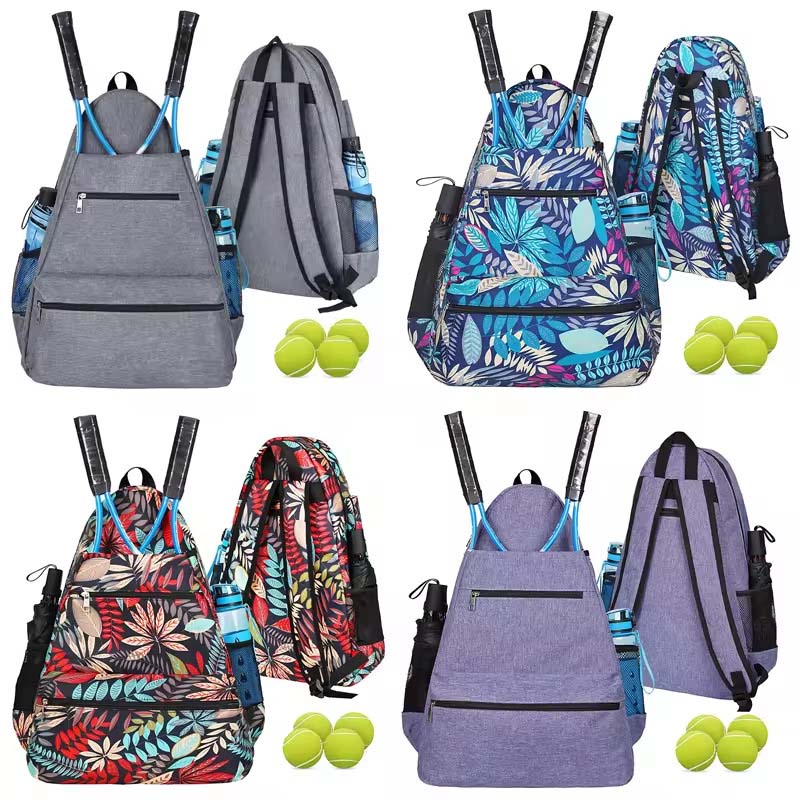
Materiales y tejidos
La elección de materiales y tejidos se basa en la durabilidad, el peso y el rendimiento. El poliéster, la lona de poliéster, el tejido ripstop y los tejidos de alta densidad dominan el mercado de mochilas deportivas personalizadas. Estos materiales son resistentes al agua y al desgaste, lo que los hace ideales para actividades al aire libre. Si buscas una mochila que resista el uso diario y las condiciones más adversas, esta es la opción ideal.
Material | Durabilidad | Resistencia al agua | Adecuado para actividades al aire libre |
|---|---|---|---|
Poliéster | Alto | Sí | Excelente |
Lienzo de polilona | Alto | Sí | Excelente |
Ripstop | Alto | Sí | Excelente |
Poliéster de 600 deniers | Alto | Sí | Excelente |
840D Poly Dobby | Alto | Sí | Excelente |
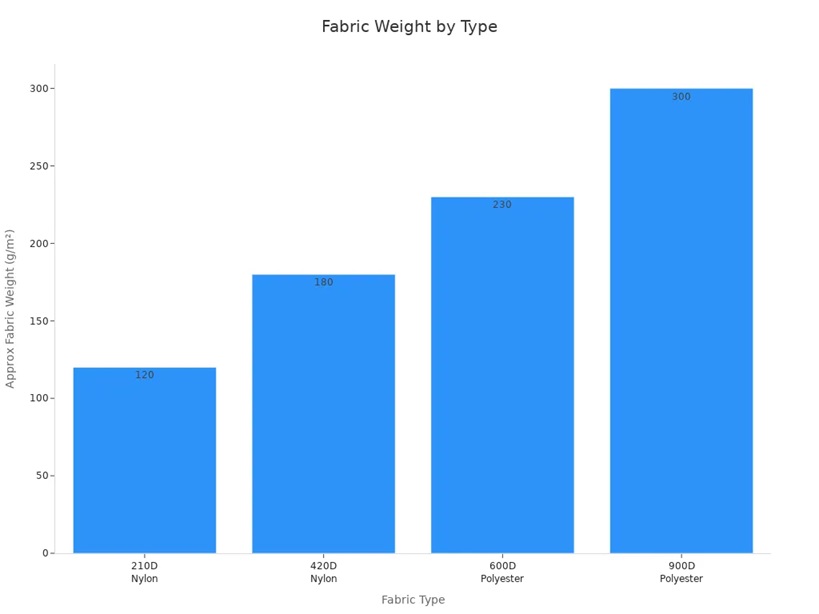
Notarás que la elección de la tela influye en el peso y la sensación de tu mochila. Las opciones ligeras como el nailon 210D son adecuadas para bolsas de viaje plegables, mientras que las telas más resistentes como el poliéster 900D proporcionan mayor resistencia para las bolsas de lona.
Tipo de tejido | Peso aproximado de la tela | Uso común |
|---|---|---|
Nylon 210D | ~120 g/m² | bolsas de viaje plegables |
Nylon 420D | ~180 g/m² | mochilas ligeras |
Poliéster 600D | ~230 g/m² | mochilas estándar |
Poliéster 900D | ~300 g/m² | bolsas de lona pesadas |
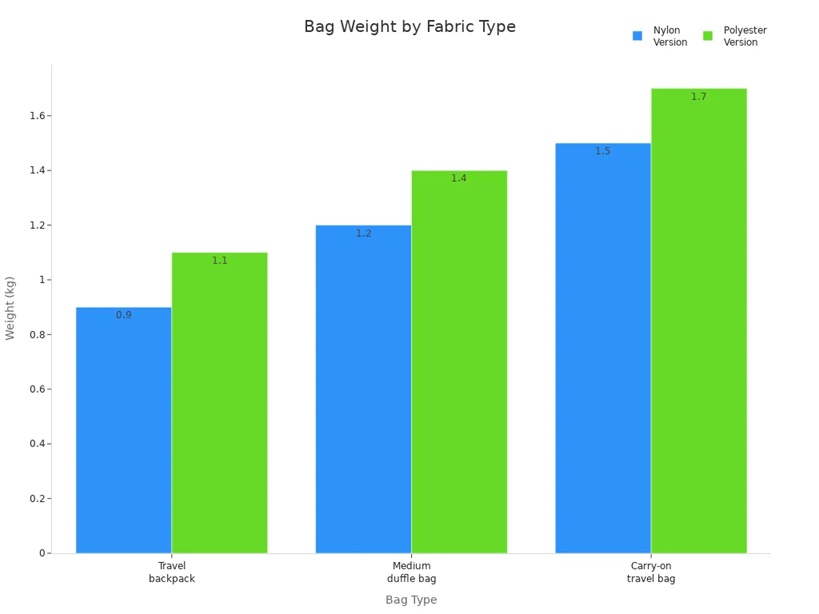
Se evalúa la diferencia de peso entre el nailon y el poliéster. Las versiones de nailon pesan menos, lo que beneficia a los atletas que necesitan minimizar la carga.
Tipo de bolsa de viaje | Versión de nailon | Versión de poliéster |
|---|---|---|
Mochila de viaje | 0,9 kg | 1,1 kg |
Bolsa de lona mediana | 1,2 kg | 1,4 kg |
Bolsa de viaje de mano | 1,5 kg | 1,7 kg |
Consejo: Dibuja un boceto de tu diseño antes de crear un prototipo. Esto te ayudará a visualizar la disposición y a seleccionar los materiales adecuados para tus necesidades.
Opciones de color y estampados
Expresas tu personalidad y espíritu de equipo a través de la elección de colores y estampados. Las tendencias recientes favorecen los tonos neutros y apagados para una imagen profesional. El negro, el arena, el verde salvia y el grafito siguen siendo populares porque combinan con los uniformes y se integran en diversos entornos.
Color | Descripción |
|---|---|
Negro | Una opción clásica y versátil. |
Arena | Un tono apagado y neutro |
Sabio | Un verde suave y terroso. |
Grafito | Un gris oscuro y sofisticado. |
Puedes personalizar tu mochila con colores vibrantes o diseños únicos. La pintura para tela funciona bien en lona o tela. Para un look llamativo, mezcla colores o añade formas geométricas. Para una apariencia profesional, elige tonos suaves y diseños sencillos.
Nota: Dibuja tu esquema de colores antes de aplicar la pintura o el tinte. Esto garantiza que tu diseño se ajuste a tu visión y evita errores.
Compartimentos y almacenamiento
Organiza tu equipo de forma eficiente con compartimentos bien diseñados. Las mochilas deportivas personalizadas ofrecen bolsillos para ropa mojada o seca, compartimentos ventilados para calzado y espacios con protección RFID para objetos de valor. Mantén tu ropa limpia separada de la ropa sudada y protege tus dispositivos electrónicos de la humedad.
Las bolsas de gimnasio y las bolsas de deporte con múltiples compartimentos mejoran la organización.
Los materiales transpirables y resistentes a la humedad mantienen tus artículos frescos.
Los compartimentos para ropa mojada o seca sirven para guardar el equipo después de nadar.
Los bolsillos con protección RFID protegen los relojes inteligentes y los teléfonos.
Los zapateros ventilados evitan que se propaguen los olores.
Los lugares seguros para guardar llaves y carteras reducen el riesgo de pérdida.
Antes de personalizar tu mochila, evalúa tus necesidades de almacenamiento. Unos compartimentos adecuados te garantizan llevar todo lo necesario para entrenar o competir.
Consejo: Dibuja la distribución de tus compartimentos para visualizar cómo encaja tu equipo. Este paso te ayudará a optimizar el espacio y la funcionalidad.
Métodos de personalización
Puedes personalizar tu mochila con varios métodos efectivos. El teñido crea vibrantes cambios de color y patrones, especialmente en algodón o lona. El grabado láser produce diseños permanentes en materiales sintéticos. La costura te permite añadir parches y bolsillos, mejorando tanto la estética como la durabilidad. El bordado añade textura y color, ideal para logotipos o nombres con detalle. Los diseños con cinta adhesiva ofrecen una forma rápida y creativa de personalizarla con diversos colores y patrones.
Teñido: Consigue colores y estampados llamativos para lienzos o algodón.
Grabado láser: Cree diseños profesionales y permanentes.
Costura: Añadir parches, bolsillos o refuerzos.
Bordado: Incorpore logotipos o nombres detallados.
Diseños con cinta adhesiva: Crea patrones originales rápidamente.
Puedes elegir el método de personalización según el material y el efecto deseado. Para la imagen de tu equipo, el bordado y el grabado láser ofrecen un acabado impecable. Si prefieres un toque personal, la pintura para tela y la cinta adhesiva te permiten experimentar con colores y formas.
Consejo: Siempre haz un boceto de tu diseño antes de empezar. Este paso te ahorrará tiempo y garantizará que las opciones de personalización se ajusten a tu visión.
Maximiza las ventajas de las mochilas deportivas personalizadas combinando materiales resistentes, colores de moda, compartimentos inteligentes y métodos de personalización creativos. Crea una mochila que potencie tu rendimiento y refleje tu personalidad.
Cómo diseñar y personalizar una mochila
Diseñar una mochila personalizada requiere un enfoque estratégico. Es necesario encontrar el equilibrio entre estilo, funcionalidad y durabilidad. Esta sección te guía paso a paso, desde la evaluación de tus necesidades hasta los últimos detalles. Tanto si quieres crear una mochila única para ti como si deseas unificar la imagen de tu equipo, aquí encontrarás métodos probados y consejos prácticos.
Evaluación de sus necesidades
Para empezar, debes identificar qué esperas de tu mochila personalizada. Ten en cuenta tu deporte, tu rutina diaria y los objetos que llevas contigo. Piensa en los siguientes factores:
Opciones de personalización que te permiten crear un producto único.
Control de calidad para garantizar que su mochila cumpla con los estándares de rendimiento.
Comprender a tu público objetivo, ya sea para uso personal o para un equipo.
El atractivo estético influye en cuánto disfrutas usando tu bolso.
La capacidad del proveedor para igualar los colores con precisión y aplicar la marca con exactitud.
Una mochila personalizada exitosa refleja tu estilo de vida. Siempre debes considerar quién la usará. Por ejemplo, un futbolista necesita espacio para las botas y el balón, mientras que un nadador requiere compartimentos impermeables. Al diseñar para un equipo, debes asegurarte de que el estilo y las características conecten con todos sus miembros.
Consejo: Anota las características imprescindibles y los estilos que prefieras antes de comenzar el proceso de diseño. Esta lista te ayudará a mantenerte enfocado y a evitar cambios innecesarios más adelante.
Cómo diseñar tu mochila personalizada
Haz realidad tu visión dibujando tu mochila personalizada. Empieza con un boceto sencillo. Marca dónde quieres las cremalleras, los bolsillos y las correas. Visualiza la distribución y la funcionalidad. Este paso te ayudará a identificar las mejores maneras de personalizar una mochila según tus necesidades.
Sigue estos pasos para crear un boceto eficaz:
Dibuja la forma principal de tu mochila.
Añade secciones para compartimentos personalizados, como zapateros o bolsillos para ropa seca o mojada.
Indique dónde desea que aparezca su logotipo, nombre o imagen de marca del equipo.
Resalte las áreas que incorporan elementos de seguridad, como tiras reflectantes.
Utiliza lápices de colores o herramientas digitales para experimentar con combinaciones de colores y patrones.
No hace falta ser artista. Un boceto claro te ayuda a comunicar tus ideas a proveedores o fabricantes. Además, te permite probar diferentes diseños antes de crear un prototipo.
Nota: Dibujar bocetos es una de las formas más efectivas de personalizar una mochila. Garantiza que el diseño se ajuste a tu visión y cumpla con tus requisitos funcionales.
Selección de materiales y características
Puedes elegir los materiales y las características según su durabilidad, peso y resistencia a la intemperie. El poliéster, el nailon ripstop y la lona de poliéster son opciones populares para mochilas personalizadas. Estos tejidos resisten el uso diario y protegen tu equipo de las inclemencias del tiempo.
Al seleccionar las características, concéntrese en:
Disposición de cremalleras y bolsillos para facilitar el acceso.
Correas ajustables y acolchadas para mayor comodidad.
Paneles ventilados para reducir la acumulación de olores.
Bases reforzadas para cargas pesadas.
Forros impermeables para ropa mojada.
También deberías considerar añadir elementos de seguridad. Los elementos reflectantes aumentan la visibilidad durante las actividades al amanecer o al atardecer. Para los equipos, es fundamental mantener una imagen de marca y una combinación de colores uniformes. Prestar atención a los detalles en estos aspectos distingue tu mochila personalizada de las opciones estándar.
Gritar: Solicita siempre muestras de los materiales antes de finalizar tu pedido. De esta forma, te aseguras de obtener la calidad y la sensación que esperas.
Añadiendo toques personales
La personalización transforma tu mochila de funcional a inolvidable. Puedes personalizarla con bordados, grabado láser, teñido o pintura para tela. Añade tu nombre, el logo de tu equipo o una frase motivadora. Elige colores y estampados que reflejen tu identidad o el espíritu de tu equipo.
Aquí tienes algunas ideas creativas para personalizar una mochila:
Bordea tus iniciales o tu mascota en el bolsillo delantero.
Utiliza pintura para tela para añadir formas geométricas o rayas llamativas.
Coloca parches que representen logros o afiliaciones.
Elige tiradores de cremallera o llaveros únicos para darle un toque extra de estilo.
Incorpora diseños con cinta adhesiva para una renovación rápida y colorida.
No debes descuidar la seguridad y la comodidad. Añade tiras reflectantes o bolsillos con protección RFID para mayor seguridad. Para los equipos, la personalización constante fomenta la unidad y el orgullo.
Consejo: Prueba tu método de personalización en una muestra de tela antes de aplicarlo a tu mochila. Esto evita errores y garantiza un acabado profesional.
Guía paso a paso: Del concepto a la finalización
Puedes seguir este proceso probado para diseñar y personalizar una mochila:
Identifica tus necesidades específicas para cada deporte y haz una lista de los artículos esenciales.
Elija materiales duraderos y resistentes a la intemperie.
Planifica el diseño y la distribución, centrándote en la ubicación de las cremalleras y los bolsillos.
Añade elementos personalizados como colores, nombres o logotipos.
Incluya elementos de seguridad como tiras reflectantes para mejorar la visibilidad.
Puedes usar esta guía tanto para proyectos individuales como para proyectos en equipo. Siguiendo estos pasos, te asegurarás de que tu mochila personalizada cumpla con tus expectativas en cuanto a estilo, funcionalidad y durabilidad.
Recordar: Las mejores mochilas personalizadas combinan un diseño cuidado, materiales de calidad y una personalización significativa. Crea una mochila que te ayude a alcanzar tus metas y exprese tu identidad única.
Durabilidad y seguridad en mochilas personalizadas
Calidad de la construcción
Necesitas una mochila que resista el uso diario y las condiciones más exigentes. La calidad de la confección es fundamental para la durabilidad de tu mochila deportiva personalizada. Los fabricantes utilizan técnicas avanzadas para mejorar la resistencia y la comodidad. La siguiente tabla destaca los métodos de confección más eficaces:
Técnica de construcción | Contribución a la durabilidad |
|---|---|
Materiales de alto rendimiento | Garantiza resistencia al desgaste en condiciones adversas. |
Costuras reforzadas | Evita desgarros y prolonga la vida útil hasta un 25 % en comparación con las costuras estándar. |
Diseños ergonómicos | Mejora la comodidad y la facilidad de uso, reduciendo la tensión durante su utilización. |
Hardware robusto | Ofrecen seguridad y durabilidad, están diseñados para un uso repetido y son resistentes a la corrosión. |
Debes buscar costuras reforzadas y herrajes resistentes, como cremalleras y hebillas. Estas características permiten que tu mochila soporte cargas pesadas y un uso frecuente. Los diseños ergonómicos también hacen que transportar tu equipo sea más cómodo.
Resistencia a la intemperie
Las actividades al aire libre requieren protección contra la lluvia, el barro y la humedad. Quieres que tu equipo se mantenga seco y seguro, sin importar el clima. Las mochilas deportivas modernas y personalizadas incorporan varias características resistentes a la intemperie:
El material impermeable recubierto de poliuretano termoplástico (TPU) mantiene tu mochila ligera y duradera.
Su construcción totalmente soldada e impermeable evita que el agua se filtre.
Las cremalleras resistentes al agua y los cierres enrollables, como los que se encuentran en las bolsas impermeables para tripulación de 55 litros, brindan protección adicional.
Puedes confiar en estas características para proteger tu equipo durante excursiones, entrenamientos o viajes. Tu mochila seguirá siendo segura incluso en condiciones impredecibles.
Características de seguridad
La seguridad es fundamental al transportar equipo valioso o al viajar en condiciones de poca luz. Muchas mochilas deportivas personalizadas incluyen tiras o paneles reflectantes. Estos elementos aumentan tu visibilidad para conductores y compañeros de equipo. Algunos diseños ofrecen bolsillos con protección RFID para evitar el robo digital. También puedes encontrar cremalleras con cierre para mayor seguridad. Al elegir una mochila con estas características, proteges tanto tus pertenencias como a ti mismo.
Consejo: Al elegir tu mochila deportiva personalizada, asegúrate de que tenga costuras reforzadas, revestimientos impermeables y detalles reflectantes. Estas características garantizan la durabilidad de tu inversión y tu seguridad.
Tendencias en mochilas deportivas personalizadas
Materiales ecológicos
Se observa una clara tendencia hacia la sostenibilidad en las bolsas deportivas personalizadas. Las marcas ahora priorizan los materiales ecológicos, respondiendo a la creciente concienciación de los consumidores sobre el impacto ambiental. Muchas bolsas deportivas personalizadas utilizan poliéster reciclado (RPET), lona reciclada y mezclas de nailon. Estos tejidos ofrecen durabilidad y resistencia al agua, a la vez que reducen los residuos. Los estudios demuestran que el 70 % de los padres prefiere mochilas fabricadas con materiales reciclados. Puedes elegir bolsas deportivas personalizadas que se alineen con tus valores y contribuyan a un planeta más limpio. Las empresas invierten en producción sostenible, por lo que encontrarás más opciones que combinan rendimiento y responsabilidad.
El poliéster y la lona reciclados reducen los residuos que van a parar a los vertederos.
Las mezclas de nailon y poliéster aumentan la durabilidad.
Los tejidos impermeables y ecológicos protegen tu equipo y el medio ambiente.
Consejo: Al elegir bolsas deportivas personalizadas, busque certificaciones o detalles del producto que destaquen el contenido reciclado.
Diseños minimalistas
El minimalismo define la última tendencia en bolsas deportivas personalizadas. Destacan las líneas limpias, la sutil marca y la funcionalidad. Los atletas y estudiantes de la Generación Z prefieren un lujo discreto, por lo que se ven menos logotipos llamativos y mayor énfasis en la calidad. Las bolsas deportivas personalizadas con diseño modular permiten cambiar de estilo según las necesidades. Los colores llamativos del hilo y las tiras reflectantes aportan seguridad sin recargar el diseño. Disfruta de respaldos ergonómicos y compartimentos robustos que mantienen tu equipo organizado.
Un diseño minimalista crea una apariencia atemporal.
Los diseños modulares ofrecen flexibilidad para diferentes actividades.
Los detalles reflectantes mejoran la visibilidad durante las primeras horas de la mañana o al anochecer.
Nota: Las bolsas deportivas minimalistas personalizadas combinan estilo y practicidad, lo que las hace adecuadas tanto para la práctica deportiva como para el uso diario.
Tecnología y funciones inteligentes
De las bolsas deportivas personalizadas esperas más que solo espacio de almacenamiento. Los diseños modernos integran funciones inteligentes que mejoran tu experiencia. Muchas bolsas deportivas personalizadas ahora incluyen puertos de carga USB, bolsillos con bloqueo RFID e incluso rastreo GPS. Estas características mantienen tus dispositivos cargados, tu información segura y tu bolsa fácil de encontrar.
Función inteligente | Beneficio |
|---|---|
Puerto de carga USB integrado | Carga tus dispositivos dondequiera que estés. |
Bolsillos con bloqueo RFID | Proteja su información personal |
seguimiento GPS | Localiza tus bolsas deportivas personalizadas si las pierdes. |
También encontrarás diseños antirrobo con cremalleras ocultas, que añaden una capa adicional de seguridad. Los respaldos ergonómicos y los colores llamativos siguen siendo populares, garantizando comodidad y seguridad. A medida que la tecnología evoluciona, las bolsas deportivas personalizadas se adaptan continuamente, ofreciéndote las herramientas para mantenerte conectado y protegido.
Gritar: Elige bolsas deportivas personalizadas con funciones inteligentes que se adapten a tu estilo de vida activo y tecnológico.
Cómo cuidar tu mochila deportiva personalizada
Consejos de limpieza
Mantén la calidad y el buen aspecto de tu mochila deportiva personalizada con una rutina de limpieza constante. La suciedad y el sudor se acumulan rápidamente, así que limpia tu mochila cada pocos meses. Usa productos suaves como detergente suave, vinagre blanco o bicarbonato de sodio. Estos productos eliminan olores y manchas sin dañar la tela.
Método | Descripción |
|---|---|
Limpieza de manchas | Para la suciedad diaria, utilice un detergente suave y un cepillo suave. |
Limpieza a fondo | Para manchas más difíciles, sumerja la mochila en agua tibia mezclada con jabón suave. |
Atención preventiva | Inspecciones periódicas y secado al aire libre, lejos de la luz solar directa, para mantener la integridad de la mochila. |
Para manchas difíciles, utilice soluciones no abrasivas que protejan los colores y los materiales. Use siempre agua tibia y evite productos químicos agresivos. Después de limpiar su mochila, vuelva a impermeabilizarla para protegerla de la lluvia y los derrames.
Consejo: Retira las piezas desmontables y trata previamente las manchas antes de remojar. Deja secar la mochila al aire libre, boca abajo, para evitar la formación de moho y conservar su forma.
Almacenamiento y mantenimiento
Un almacenamiento adecuado prolonga la vida útil de tu mochila deportiva personalizada. Manipúlala con cuidado para evitar pinchazos y rozaduras. Usa forros o bolsillos protectores en el interior para minimizar el contacto directo con materiales delicados como el neopreno. Alterna el uso de varias mochilas para evitar el desgaste excesivo de una sola.
Guarda tu mochila en un lugar fresco, seco y bien ventilado.
Evite exponerlo a temperaturas extremas, ya que pueden provocar fragilidad o una flexibilidad excesiva.
Limpia tu mochila después de cada uso, especialmente si ha estado expuesta a la humedad o la suciedad.
Inspeccione la prenda en busca de signos de desgaste, como bordes deshilachados o costuras sueltas, y repárela de inmediato.
La limpieza regular y un almacenamiento adecuado te ayudan a mantener la apariencia y la funcionalidad de tu mochila. Proteges tu inversión y te aseguras de que tu equipo esté siempre listo para cualquier actividad.
Ahora ya sabes cómo diseñar una mochila deportiva personalizada que se adapte a tus necesidades y estilo. Ten en cuenta estos aspectos esenciales al hacer tu elección:
El volumen en litros determina cuánto equipo puedes transportar.
La talla debe ajustarse a tu torso para mayor comodidad.
Los deportes especializados pueden requerir dimensiones únicas.
El peso de la mochila afecta a la carga total.
La compatibilidad con el equipaje de mano es importante para viajar.
Las correas ajustables y los cinturones de cadera mejoran la distribución del peso.
La personalización te brinda funcionalidad y estilo. Sigue estos consejos para crear una mochila que te ayude a alcanzar tus metas y exprese tu individualidad. Mantente activo y deja que tu equipo refleje quién eres.
Preguntas frecuentes
¿Cómo elegir el tamaño adecuado para tu mochila deportiva personalizada?
Mide tu equipo y tus artículos esenciales de uso diario. Elige una mochila con suficiente capacidad para tus pertenencias. Verifica las dimensiones para asegurarte de que te quede cómoda. La mayoría de los atletas prefieren mochilas de entre 20 y 35 litros.
¿Se puede lavar una mochila deportiva personalizada en la lavadora?
Debes evitar lavarla a máquina. Lava tu mochila a mano con jabón suave y agua tibia. Déjala secar al aire boca abajo para conservar su forma y evitar la formación de moho. El lavado a máquina puede dañar las cremalleras, las costuras o los detalles personalizados.
¿Qué métodos de personalización funcionan mejor para la imagen de marca de un equipo?
Puedes lograr una imagen de marca profesional para tu equipo con bordado o grabado láser. Estos métodos crean logotipos y nombres duraderos. Para una actualización rápida, usa pintura para tela o parches. El bordado sigue siendo la mejor opción para una identidad de equipo duradera.
¿Son los materiales ecológicos tan duraderos como los tejidos tradicionales?
Descubrirás que el poliéster y la lona reciclados ofrecen una durabilidad similar a la de los materiales convencionales. Los fabricantes diseñan tejidos ecológicos para resistir el uso diario y las inclemencias del tiempo. Busca productos certificados para garantizar su calidad y rendimiento.
¿Qué medidas de seguridad deberías añadir a tu mochila deportiva personalizada?
Aumenta tu seguridad con tiras reflectantes, cremalleras con cierre y bolsillos con bloqueo RFID. Estas características protegen tus pertenencias y mejoran la visibilidad. Muchos atletas eligen detalles reflectantes para actividades al amanecer o al atardecer.

 Red IPv6 compatible